Simple Ways to Boost Metabolism Naturally and Increase Daily Energy Levels
Simple Ways to Boost Metabolism Naturally and Increase Daily Energy Levels
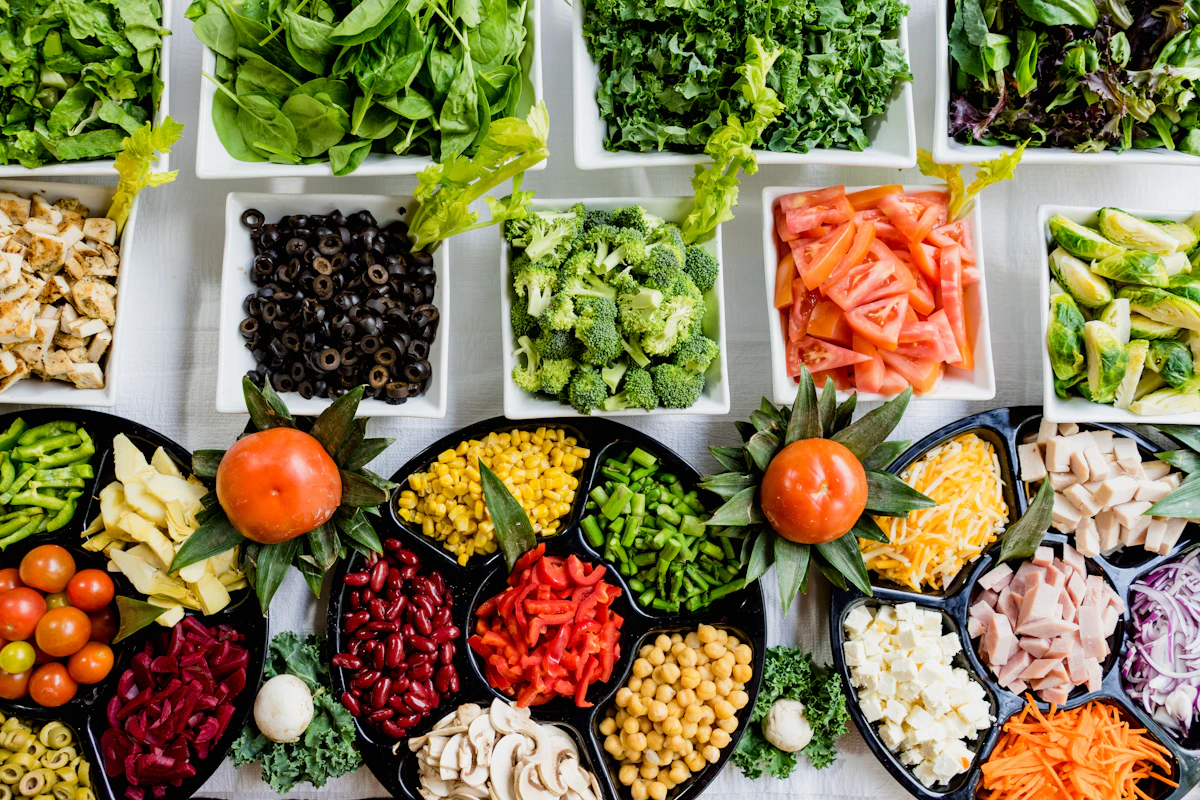
Do you often feel tired, sluggish, or struggle to manage your weight despite eating healthy? Your metabolism might be playing a key role. Metabolism refers to the complex biochemical processes your body uses to convert food and drinks into energy. Every second, even while resting, your body relies on metabolism to keep organs functioning, repair cells, and circulate blood.
While genetics, age, and gender influence your metabolic rate, many everyday lifestyle choices can significantly improve how efficiently your body burns energy. Boosting your metabolism naturally doesn't require extreme starvation diets or costly supplements. Instead, simple, sustainable daily habits can make a dramatic difference in your overall vitality and weight management goals.
⚡ Daily Metabolism & Calorie Estimator
1. Eat Enough Protein at Every Meal
Food increases your metabolic rate for a few hours after eating through a process called the Thermic Effect of Food (TEF). Digesting, absorbing, and processing nutrients requires energy. Protein causes the largest rise in TEF, increasing your metabolic rate by 15% to 30%, compared to 5%–10% for carbohydrates and 0%–3% for fats.
Eating protein-rich foods helps you feel fuller for longer, preventing overeating throughout the day. Try adding options like eggs, chicken breast, fish, lentils, beans, or Greek yogurt to your daily meals.
2. Prioritize Strength Training and Muscle Building
Muscle mass is significantly more metabolically active than fat mass. Every pound of muscle uses about 6 calories a day just to maintain itself, while each pound of fat burns only 2 calories daily. While that difference may seem small over a single day, it accumulates over time.
Lifting weights, using resistance bands, or doing bodyweight exercises (like push-ups, squats, and lunges) at least two to three times a week helps preserve and build lean muscle tissue, keeping your metabolic rate high even when resting.
3. Stay Well-Hydrated Throughout the Day
Water is essential for optimal metabolic performance. When you are dehydrated, your body's energy expenditure slows down. Research shows that drinking 0.5 liters (17 ounces) of water can temporarily increase resting metabolism by up to 10%–30% for about an hour.
Drinking cold water may offer a slight extra benefit because your body consumes energy to warm the water up to body temperature. Make it a habit to keep a water bottle nearby throughout your workday.
4. Get Enough Quality Sleep Nightly
Sleep deprivation is strongly linked to a major reduction in metabolic performance and increased risk of metabolic imbalances. Lack of sleep triggers the release of cortisol (a stress hormone) and disrupts appetite-regulating hormones like ghrelin (which makes you feel hungry) and leptin (which signal fullness).
Aim for 7 to 9 hours of uninterrupted sleep every night to allow your cellular systems to recover and balance hormonal regulation naturally.
5. Avoid Crash Diets and Extreme Calorie Restriction
When you severely restrict calorie intake, your body enters a protective survival mode known as adaptive thermogenesis. To conserve energy, your metabolic rate drops significantly, making it much harder to maintain weight loss in the long run.
Instead of drastic starvation diets, focus on moderate calorie control combined with nutrient-dense, whole foods that keep your body nourished and your metabolic engine running smoothly.
6. Drink Green Tea or Oolong Tea
Green tea and oolong tea contain active antioxidants called catechins combined with moderate amounts of caffeine. Studies suggest that drinking 2 to 3 cups of green tea daily can help convert stored fat into free fatty acids, potentially increasing fat burning during physical activities.
These unsweetened beverages serve as an excellent, zero-calorie replacement for sugary sodas and artificial energy drinks.
Final Thoughts
Boosting your metabolism isn't about rapid, dramatic fixes. It is about implementing small, sustainable habits that fit naturally into your lifestyle. By eating balanced meals rich in protein, staying hydrated, moving your body consistently, and prioritizing rest, you support your metabolic health for long-term health and daily energy.
👇 Continue Reading Our Liver Health Guide 👇
👉 NEXT: Fatty Liver Friendly Meal Plan Guide »Disclaimer: The content provided in this article is for educational and informational purposes only and does not constitute professional medical advice. Always consult with a qualified healthcare provider regarding any health or fitness goals.


